How Journalists Verify Photo Locations for News
In an era of rapid misinformation and constant crisis reporting, journalists face an immense challenge: verifying the authenticity of user-generated content. When breaking news unfolds, social media platforms are flooded with images claiming to document events. But how can you be sure where a photo was actually taken?
This guide is for investigative professionals who need to maintain journalistic integrity. We will explore how modern, AI-powered photo location verification tools help journalists confirm the source of images, even with limited or missing metadata. For those who need a reliable and transparent solution, our photo analysis tool offers a powerful way to get the answers you need.
The Critical Need for Photo Verification in Modern Journalism
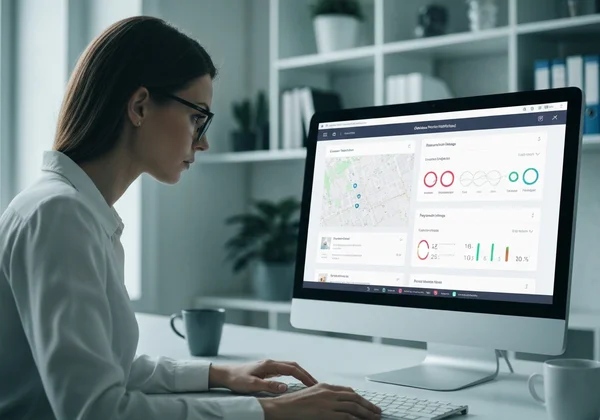
In today's fast-paced news cycle, getting the story right is more important than ever. The location of a photo can be as critical as the content of the image itself. Verifying where a picture was taken is a fundamental step in journalism image fact-checking, ensuring that reports are accurate and trustworthy. This process protects both the public and the reputation of the news organization.
Metadata Gaps in Crisis Reporting
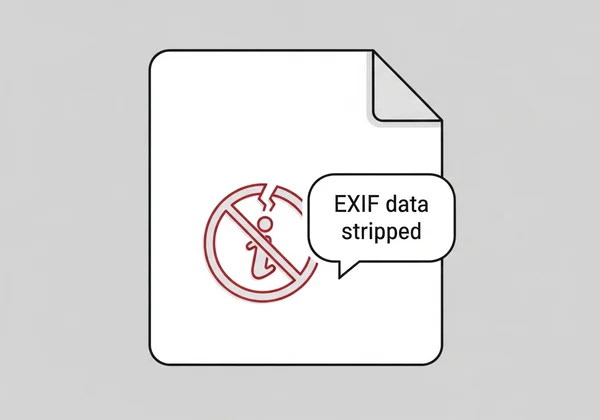
When a crisis occurs, images and videos often come from citizen journalists or anonymous sources. These files frequently have their metadata stripped by social media platforms or messaging apps. This means the valuable EXIF data is often missing. EXIF data typically includes GPS coordinates, camera settings, and timestamps. Journalists are left with a visual puzzle and no easy way to confirm the location. This gap in information makes traditional verification methods slow and sometimes impossible, especially when deadlines are tight.
Consequences of Mislocated Images
Publishing a photo with an incorrect location can have severe consequences. It can mislead the public, escalate tensions in conflict zones, and damage the credibility of the news outlet. A single misattributed image can undermine an entire report. It erodes public trust, which is difficult to regain. For journalists, the professional risks are high. Ethical reporting demands rigorous fact-checking, and location verification is a non-negotiable part of that process. Without it, journalists risk becoming unwilling participants in the spread of disinformation.
AI Geolocation Techniques for Source Verification
When traditional data is unavailable, technology offers a new path forward. Advanced AI has transformed the field of geolocation, providing powerful techniques for source verification. These tools analyze the visual content of an image to uncover clues that a human might miss. This approach is invaluable for modern journalism, enabling reporters to conduct thorough investigations with greater speed and accuracy.
When EXIF Data Is Unavailable
The absence of EXIF data is a common hurdle, but it is no longer a dead end. AI-powered tools can analyze an image for visual fingerprints to determine its origin. This technology scans for unique architectural styles, specific types of vegetation, road signs, and even the position of the sun. The AI compares these visual cues against vast databases of global imagery. This allows it to propose a probable location with surprising accuracy. This form of AI location verification empowers journalists to continue their work even when metadata is stripped away.
Visual Landmark Recognition in Conflict Zones
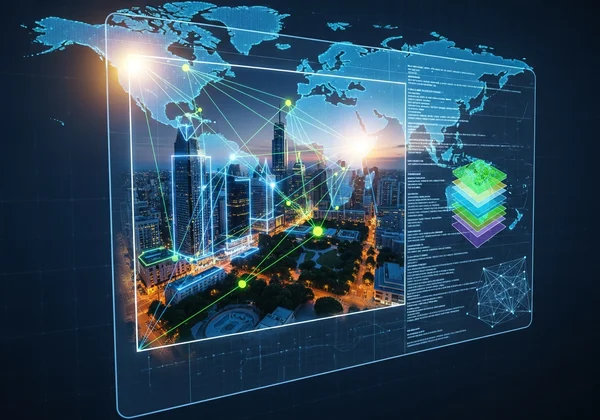
In high-stakes environments like conflict zones, verifying a photo's location is critical for accurate reporting. AI tools are trained to recognize not just famous landmarks but also more subtle features like specific buildings, bridges, or natural landscapes that are characteristic of a region. For example, an AI could identify a unique minaret style or a specific type of military vehicle visible in the background. This allows journalists to confirm whether an image truly originates from a reported conflict area or if it's an old photo being recirculated to spread propaganda.
Cross-Referencing with Satellite Imagery
A robust verification process often involves multiple layers of evidence. After an AI proposes a potential location, you can take the next step by cross-referencing it with satellite imagery. By comparing the layout of streets, buildings, and open spaces from the photo with up-to-date satellite views, you can confirm the AI's findings. This methodical approach adds a powerful layer of confirmation. Tools that provide precise coordinates make this cross-referencing process seamless, helping to build an undeniable case for a photo's true origin and reinforcing authoritative reporting.
Real-Case Applications of Photo Location Verification
Theories and technologies are one thing, but their practical application is what truly matters in a busy newsroom. Photo location verification is not just an abstract concept; it is a tool being used on the front lines of journalism to uphold the truth. Let's explore two common scenarios where these techniques are essential for accurate and ethical reporting. The ability to quickly find image locations is changing how news is gathered.
Verifying Protest Imagery from Multiple Sources
Large-scale protests and social movements generate a massive volume of images from countless participants and observers. It is crucial for journalists to confirm that these images are from the event in question and not from a different protest years ago or even in another country. An AI tool can analyze dozens of photos simultaneously, identifying common landmarks or geographical features to confirm they were all taken in the same vicinity. This allows you to confidently build a cohesive narrative and report on the scale and location of the event with verified evidence.
Authenticating Disaster Zone Documentation
Following a natural disaster, images of the aftermath are vital for communicating the situation to the world and coordinating aid. However, old photos are sometimes shared to exaggerate the damage or solicit fraudulent donations. Journalists use photo location finders to authenticate images sent from disaster zones. By analyzing debris patterns, damaged infrastructure, and the surrounding landscape, an AI can help confirm if a photo is from the affected area. This ensures that reporting is accurate and that aid efforts are directed to the right place, making it a critical tool for humanitarian and crisis reporting.
Implementing Photo Location in Your Editorial Workflow
When news breaks in real-time, journalists need reliable tools to separate fact from fiction. Verifying where a photo was taken has moved from optional to essential in today's fast-paced media landscape. As we've seen, relying on metadata is not enough, as it's often missing when you need it most.
AI-powered geolocation provides a reliable and transparent solution. By analyzing visual data, these tools empower you to uncover the truth, protect your credibility, and deliver accurate news to the public. Integrating a dedicated photo location finder into your fact-checking process gives you the confidence to report on events as they happen, backed by verifiable evidence.
Are you ready to enhance your verification process? Take the first step toward stronger, more trustworthy journalism. Visit our homepage to verify your image and see how our transparent AI analysis can strengthen your next investigation.
Frequently Asked Questions About Photo Location Verification
How accurate is AI photo location verification for journalistic purposes?
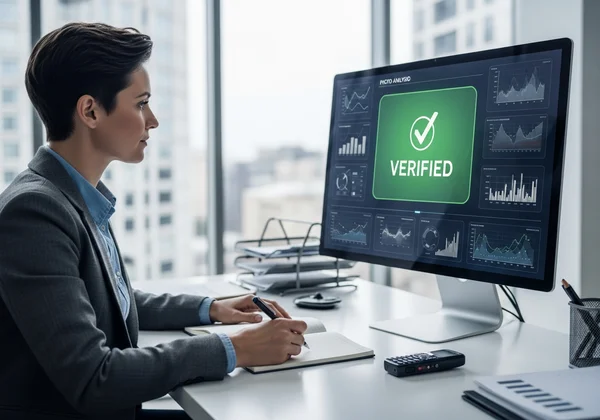
The accuracy of AI photo location tools is constantly improving. While no tool can guarantee 100% accuracy, top-tier systems like ours provide a confidence score with each result. This transparency allows you to assess the likelihood of a match. For journalistic purposes, AI results should be used as a powerful starting point for your investigation, which you can then corroborate with other methods like cross-referencing satellite imagery.
Can the tool identify locations in images with obstructions or poor quality?
Yes, to an extent. Modern AI models are trained to identify locations even when images are of poor quality, partially obstructed, or taken at unusual angles. The AI looks for multiple visual clues, so even if a key landmark is hidden, other elements like architecture, flora, or terrain can still lead to a successful identification. However, extremely blurry or low-resolution images may not contain enough data for an accurate analysis. You can test your photo to see what the AI can uncover.
What ethical guidelines should journalists follow when using photo location verification?
When using any verification tool, you should remain committed to ethical principles. Always seek to corroborate AI-generated locations with other sources. Be transparent with your audience about your verification methods. It's also crucial to consider the safety and privacy of the individuals who took or appear in the photos, especially in sensitive situations like conflicts or protests.
How does this technology complement traditional fact-checking methods?
AI location verification is not a replacement for traditional fact-checking but a powerful complement to it. It automates and accelerates the initial, often time-consuming, process of finding a location. This frees up your time to focus on deeper investigative work, such as contacting sources on the ground, interviewing witnesses, and cross-referencing information with official reports. It acts as a high-tech starting point for your verification workflow.
What data privacy protections are in place when analyzing potentially sensitive images?
Data privacy is a top priority. Reputable platforms like Photo Location Finder have strict privacy policies that explain how user data is handled. We are committed to protecting our users. When you upload an image for analysis, it is processed securely, and we do not use or share your images for any other purpose. This commitment to trust is essential, especially for journalists handling sensitive content.