Photo Location Finder: 5 Ways to Discover Where a Picture Was Taken (Free Tools & Advanced AI)
Ever stumbled upon a stunning travel photo on social media and wondered, "Where is this?" Or perhaps you've needed to verify the source of a news image for a project. The question of how to use a photo location finder is more common than ever. From simple curiosity to professional investigation, pinpointing a picture's origin is a valuable skill.
Good news: there are multiple ways to become a digital detective. This guide explores five distinct ways to find a photo's location, covering everything from basic free tools to the cutting-edge power of a dedicated AI photo location finder. We'll break down the pros and cons of each, helping you choose the best approach for your needs and showing you how to uncover photo origins with confidence.
Manual Reverse Image Search: The Visual Context Clue
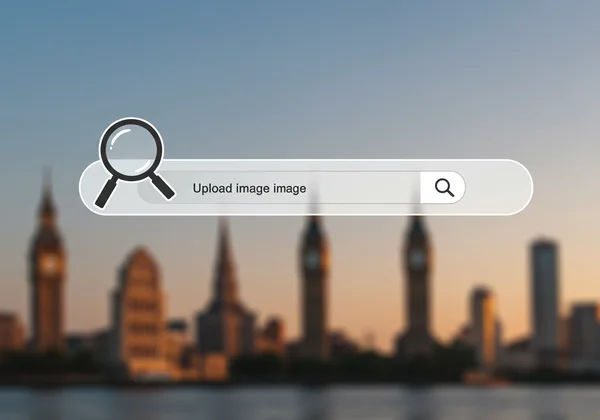
One of the most accessible starting points is a reverse image search. Instead of typing words into a search bar, you upload an image, and search engines like Google Images or TinEye scan the web for visually similar pictures.
How Reverse Image Search Works
When you upload a photo, the search engine creates a unique digital fingerprint of it and compares it against billions of images in its index. If it finds a match, it can lead you to websites, articles, or social media posts where the image has been used. These sources often contain captions, articles, or comments that explicitly mention the location. This method is excellent for identifying famous landmarks or popular tourist spots that have been photographed many times.
Pros & Cons: When to Use This Method
The primary advantage is that it’s free, fast, and requires no technical skill. It's the perfect first step for popular or widely circulated images. However, its effectiveness plummets for original, personal, or obscure photos. If the image hasn’t been published online, a reverse image search will likely yield no results, leaving you at a dead end.
Unlocking Hidden Data: Using Free EXIF Viewers
Many digital photos contain a hidden treasure trove of information called EXIF (Exchangeable Image File Format) data. This metadata is automatically embedded into the image file by the camera or smartphone that took it.
What EXIF Data Tells You About Location
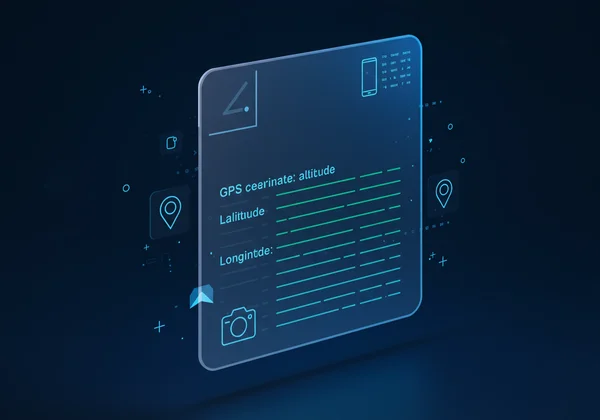
EXIF data can include the camera model, shutter speed, aperture, and, most importantly, GPS coordinates. If the device's location services were enabled when the picture was taken, the precise latitude and longitude are stored within the file. This is known as a geotag. Viewing this data is the most direct and accurate way to find a photo's location.
Popular Free EXIF Data Viewers
Numerous free tools are available online that act as an EXIF data viewer. You simply upload your image, and the tool extracts and displays all the embedded metadata. Many operating systems, like Windows and macOS, also have built-in functions to view this data by right-clicking the file and checking its properties. This method is incredibly powerful, but it has one major limitation: it only works if the GPS data exists and hasn't been stripped out, which many social media platforms do automatically to protect user privacy.
Detective Work: Crowdsourcing & Contextual Clues
When automated tools fail, it's time to put on your detective hat. This manual approach relies on careful observation and the power of online communities. It’s a fascinating process that can feel like solving a puzzle.
Analyzing Visual Elements: Landmarks, Flora, and Architecture
Examine the photo for unique details. Are there recognizable landmarks, even in the background? What does the architecture of the buildings suggest about the region or country? Look at the vegetation (flora), license plates on cars, language on signs, and even the style of clothing people are wearing. Each clue can help you narrow down the potential location.

Leveraging Social Media & Online Communities
If you’re truly stumped, consider leveraging the collective knowledge of the internet. Subreddits like r/whereisthis or other geography-focused forums are filled with skilled enthusiasts who enjoy the challenge of identifying locations from photos. By sharing the image and any clues you've gathered, you can crowdsource the answer from a global community of experts.
Advanced Geolocation Tools & Geographic Databases
For those who need to dig deeper, especially investigators or journalists, there are more specialized platforms that go beyond a simple search. These tools are often more complex but offer powerful capabilities.
Beyond Basic Search: Specialized Platforms
Some tools combine mapping services with databases of user-generated content, street-level imagery, and historical satellite photos. They allow you to cross-reference visual clues with geographic data in a more structured way than a standard search engine. This is particularly useful for verifying locations in remote or less-photographed areas.
When to Opt for Professional Geolocation Software
Professional-grade geolocation software is designed for high-stakes situations like fact-checking news stories or conducting legal investigations. These platforms often require a subscription and a steeper learning curve. They are overkill for casual users but indispensable for professionals who need the highest level of accuracy and verifiable data trails. For most people, a more accessible and powerful photo location finder solution exists.
The Future is Now: AI-Powered Photo Location Finders
Artificial intelligence marks the most exciting advancement in this field. Modern AI systems combine the best of all the methods above into one seamless, powerful photo location finder tool that can analyze images in ways previously unimaginable.
How AI Revolutionizes Photo Geolocation (Even Without EXIF)
So, can AI find a location from a photo if there's no EXIF data? Absolutely. Advanced AI models are trained on millions of images from around the world. They don't just look for exact matches; they identify and understand contextual clues like architectural styles, plant species, topography, and even the quality of light. By cross-referencing these visual patterns with vast geographic datasets, the AI can deduce a highly probable location, even for a photo it has never seen before.
Why Photo Location Finder is Your Go-To AI Solution
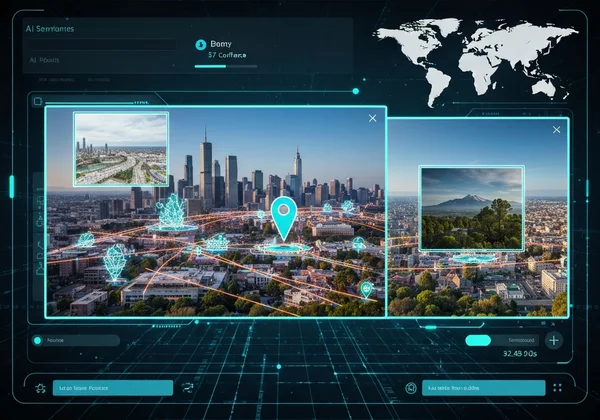
Here's where our tool, Photo Location Finder, truly excels. It uses a sophisticated hybrid engine that first checks for EXIF data for an instant, precise answer. If no geotag is found, its powerful AI visual analysis kicks in. It scans for landmarks, environmental features, and other visual clues to determine the location.
What sets it apart is its transparency. Instead of just giving you an answer, our platform shows you its reasoning process, highlighting the visual elements it identified. This unique transparency builds trust and gives you confidence in your findings. Whether you're a travel blogger organizing your portfolio or a curious social media user, you can try our advanced tool to get fast, accurate, and reliable answers.
Your Journey to Pinpointing Photo Locations
We've journeyed through five distinct methods for finding where a photo was taken. Reverse image search offers a quick check for popular images, and EXIF data provides a direct answer if available. Manual detective work can be rewarding but is time-consuming, while professional tools are often too complex.
For a comprehensive, accurate, and user-friendly experience, AI-powered platforms are the clear winner. They bridge the gap when other methods fail, offering a powerful solution for nearly any image. Ready to solve your photo mysteries with an effective photo location finder? Start finding locations now and see for yourself what our AI can discover.
Frequently Asked Questions About Photo Geolocation
Can I find a photo's location if there's no EXIF data?
Yes. While EXIF data is the easiest way, its absence doesn't mean you're out of luck. Methods like reverse image search, manual analysis of visual clues, and—most effectively—AI-powered tools are specifically designed for this scenario. An AI tool like ours can analyze visual elements to pinpoint a location even without metadata.
How accurate are online photo location finder tools?
Accuracy varies greatly by method. EXIF data is pinpoint accurate. Reverse image search is only as accurate as the source it finds. AI-powered tools like a dedicated photo location finder offer high accuracy, often providing a confidence score with their prediction. The best systems, which combine multiple analysis types, provide the most reliable results.
What information can EXIF data reveal about a photo's location?
EXIF can contain precise GPS coordinates (latitude and longitude). It may also include altitude and the direction the camera was facing. To see this, you can use an online image metadata viewer or check the file properties on your computer.
Is it legal to find the location of a publicly shared photo?
Generally, yes. If a photo is shared publicly online, analyzing it for location information is typically considered acceptable. However, it's crucial to be ethical. Using location data to harass, stalk, or infringe on someone's privacy is illegal and wrong. Always respect privacy and use this technology responsibly.