How to Find Photo Locations: Instagram Geotagging Secrets Revealed
Have you ever scrolled through Instagram and seen a breathtaking photo, wondering, "where exactly was this picture taken?" Maybe it was a secluded beach, a vibrant city street, or a stunning mountain overlook. You check the post, but there's no location tag. This can be frustrating, especially if you're a traveler looking for inspiration or a content creator trying to verify a scene.
For a long time, finding a photo's location without a geotag felt like a job for a detective. But today, technology has made it surprisingly simple. This guide will reveal the secrets behind Instagram geotagging. We'll explore how to uncover location data, even when it seems to be missing.
We will cover two powerful methods: manual data extraction and advanced AI analysis. You'll learn the exact steps to find a location from a picture. For those who want an instant and accurate answer, powerful tools are now available. With an AI-powered service like Photo Location Finder, you can discover where almost any photo was taken in seconds.

Understanding Instagram Photo Location Data
Before you can find a location, it helps to understand how this information is stored in a digital photo. Many images contain hidden data, but social media platforms like Instagram often handle this data in specific ways. This can make the process of finding a location from an image a little tricky, but not impossible.
What Geotag Data Hides in Your Photos
Many digital cameras and smartphones automatically embed location information into photos. This data is stored in what is called the Exchangeable Image File Format, or EXIF data. Think of EXIF as a digital fingerprint for your image. It contains details like the camera model, shutter speed, aperture, and, most importantly, GPS coordinates.
This GPS data, also known as a geotag, records the precise latitude and longitude of where the photo was captured. When this information is present, it's the most direct way to pinpoint a location. However, the key challenge is that social media platforms, including Instagram, often strip this metadata from uploaded images to protect user privacy. While the platform might remove the raw EXIF data, other clues often remain.
Why Users Remove Location Information Before Posting
Privacy is the primary reason why location data is often removed, both by users and by platforms. Sharing the exact coordinates of a private residence, a favorite quiet spot, or even a daily routine can pose significant security risks. Many people are rightfully cautious about broadcasting their whereabouts to the world.
Beyond personal privacy, some photographers and influencers deliberately hide their locations to protect them. They want to prevent popular "hidden gems" from becoming overcrowded and spoiled by too much foot traffic. This practice preserves the natural beauty and exclusivity of a place. While this protects the location, it leaves many of us curious and searching for clues. This is where modern tools can help you find the location responsibly.
Step-by-Step Guide to Extracting Hidden Location Data
Even when an Instagram photo has no official location tag, you can still uncover its origin. There are two primary methods you can use. The first is a more technical approach involving metadata, while the second leverages the power of artificial intelligence to analyze the image itself.
Method 1: Direct EXIF Data Extraction
Although Instagram strips EXIF data from images on its platform, it's not a foolproof system. Sometimes, data can still be found if you know where to look. The first step is to get the original image file, if possible. If a blogger or photographer also posts their work on a personal website or Flickr, they might have uploaded the original file with its metadata intact.
Once you have the image file, you can use an EXIF data viewer to inspect its properties. There are many free online tools and software applications that can read this information. These tools will display all the metadata embedded in the file. If GPS coordinates are present, you can copy and paste them into Google Maps to see the exact spot. This method is the most accurate way to find a location from a picture when the data is available.
Method 2: AI-Powered Visual Landmark Recognition
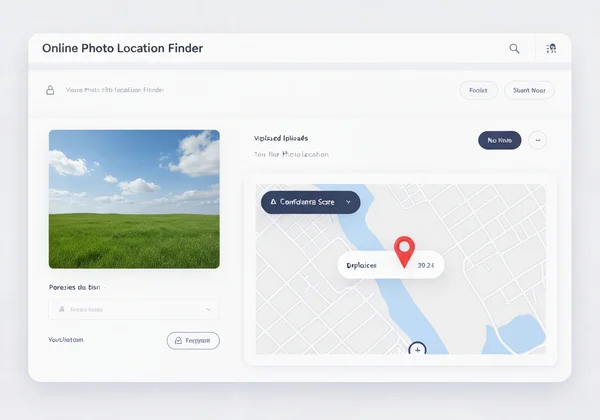
What if there's no EXIF data? This is where artificial intelligence comes in. Modern AI models are trained on billions of images from around the globe. They can recognize visual clues within a photo to determine its location with remarkable accuracy. This is the core technology behind tools like the Photo Location Finder.
This process works by analyzing key elements in the image:
- Landmarks: The AI can identify famous buildings, bridges, statues, and natural formations.
- Architecture: It recognizes unique building styles specific to certain cities or regions.
- Vegetation: The types of trees and plants can hint at a specific climate or geographic area.
- Signage: Text on signs, even in different languages, provides powerful location clues.
The AI cross-references these visual cues with a massive database to determine the most likely location. Furthermore, it provides a confidence score that indicates how certain it is about the result. This AI image search method is incredibly powerful for photos that have no other identifying information.

Practical Applications for Uncovering Hidden Spots
Knowing how to find where a photo was taken is more than just a fun trick; it has valuable real-world applications. From planning your next vacation to verifying information, this skill is useful for a wide range of people. It empowers you to explore the world, both digitally and in person.
For Travelers: Discovering Secret and Unmarked Locations
Adventure seekers and travel enthusiasts often find inspiration in photos. These images can spark new journeys. Imagine discovering a waterfall that doesn't appear on any maps, or a viewpoint not mentioned in travel guides. By using a picture location finder, you can uncover these secret spots.
This allows you to create unique travel itineraries that go beyond the usual tourist traps. You can build a trip around visiting specific photo locations that you've discovered online. It adds a layer of mystery and excitement to travel planning, turning a simple image into the beginning of your next great adventure.
For Content Creators: Authenticating Travel Photography
In the world of social media, authenticity is everything. For content creators, journalists, and brand managers, verifying the source of an image is crucial. A photo location finder can help confirm whether a travel photo was actually taken where the user claims it was. This is an essential step in fact-checking and preventing the spread of misinformation.
News organizations can verify photos submitted by citizen journalists during breaking news events. This verification builds trust and credibility in their content. Such trust is invaluable in today's digital landscape. For example, a travel blogger can use this technology to ensure the images they license are genuine.
Start Finding Hidden Photo Locations Today
With these methods, you can transform any photo into a potential travel destination or verification tool. We've seen that even when a photo lacks an obvious geotag, hidden clues are often waiting to be discovered. Whether through careful EXIF data analysis or the incredible power of AI visual recognition, you have the tools to become a digital explorer.
You can now find a location from an image to plan your dream vacation, verify a source for your work, or simply satisfy your curiosity. Start using these techniques today, and you'll never look at photos the same way again - every image becomes a clue to explore. The world is full of beautiful, hidden places, and now you know how to find them.
Ready to unlock the secrets behind your favorite photos? Don't spend hours searching manually. You can get instant, accurate results with advanced technology. Try our free tool and let our AI analyze your images. Upload a photo today and discover exactly where it was taken.
Frequently Asked Questions About Finding Photo Locations
Is it legal to extract location data from Instagram photos?
Yes, it is generally legal to analyze publicly posted photos for location information. However, you should always be respectful of privacy. Using this information to harass, stalk, or trespass is illegal and unethical. The focus should be on discovery and verification, not intrusion.
Can I find locations of photos that have no metadata?
Absolutely. This is where AI-powered tools shine. Even with no EXIF data, an AI can analyze visual clues like landmarks, architecture, and vegetation to identify a location. Tools like the Photo Location Finder are designed specifically for this purpose, providing a powerful way to find a location from a photo alone.
How accurate is AI-powered location identification?
The accuracy can be surprisingly high, especially for photos with distinct features. An AI might identify a famous landmark with near-100% certainty. For more generic scenes, like a forest or beach, it might suggest a broader region. Good tools provide a confidence score to help you understand how reliable the result is.
What privacy considerations should I be aware of?
Always consider the implications of identifying a location. If a photo appears to be taken at a private residence, it's best to respect the individual's privacy and not share the specific address. Be mindful and use location-finding tools responsibly and ethically.
Does this method work on all types of social media images?
Yes, these methods can be applied to images from any platform, including Facebook, X (formerly Twitter), Pinterest, and personal blogs. As long as you can view or download the image, you can analyze it for location clues, either by checking its metadata or by using an AI image search tool.